
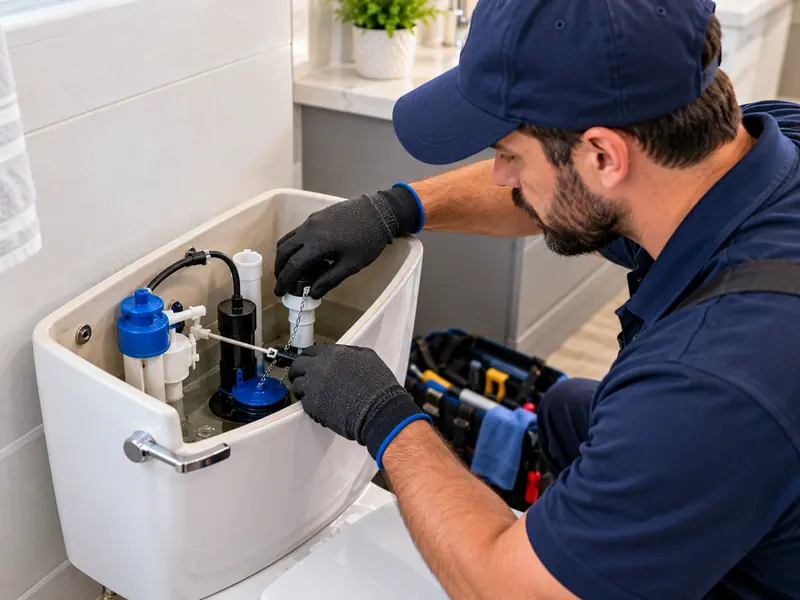
Quick answer: Lift the tank lid and watch. If water is spilling into the overflow tube, lower the float or replace the fill valve. If the water level is fine but the tank keeps refilling, the flapper is leaking — adjust the chain or replace the flapper. A food-coloring dye test confirms which one in about 15 minutes.
How a Toilet Tank Works (in 30 Seconds)
When you press the handle, a chain lifts the flapper at the bottom of the tank and water rushes into the bowl. The flapper drops back onto the flush valve seat to seal the tank. Then the fill valve refills the tank until the float rises and shuts it off. The overflow tube in the middle is a safety drain. A running toilet means one of these parts isn’t doing its job.
Step 1: Find Where the Water Is Going
Take the lid off the tank and set it somewhere safe — it’s heavy porcelain and breaks easily. Then look at the water level.
- Water is flowing into the top of the overflow tube: the fill valve isn’t shutting off. Go to Step 3.
- Water level sits below the overflow tube, but the tank refills every so often: water is leaking past the flapper. Go to Step 2.
The dye test
Not sure? Put 5–10 drops of food coloring in the tank and don’t flush for 15 minutes. If color appears in the bowl, the flapper or flush valve seat is leaking. The EPA’s WaterSense program recommends this same test for finding silent toilet leaks.
Rather have a pro handle it? Call (562) 245-5818.
Call Now (562) 245-5818Step 2: Fix a Leaking Flapper
Check the chain first
The chain should have a little slack — roughly half an inch — when the flapper is closed. Too tight and it holds the flapper open; too loose and it can get trapped underneath. Move the clip one or two links and test.
Clean the seat
Shut off the water at the valve behind the toilet (turn clockwise), flush to empty the tank, and wipe the flush valve seat with a non-scratch pad. Mineral grit or slime is enough to break the seal.
Replace the flapper
If the rubber feels stiff, warped or slimy, replace it. Flappers are inexpensive and come in 2-inch and 3-inch sizes, and some brands use their own shapes — take the old one to the store to match it.
- Turn off the water and flush to drain the tank.
- Unhook the chain and pop the flapper’s ears off the pegs on the overflow tube.
- Install the new flapper the same way and clip the chain with slight slack.
- Turn the water back on, let the tank fill, and repeat the dye test.
Step 3: Fix a Fill Valve That Won’t Shut Off
Lower the water level
Water should stop about an inch below the top of the overflow tube or at the fill line marked inside the tank. On modern fill valves, turn the adjustment screw or slide the clip on the float cup down. On older ball-float valves, gently bend the float arm downward.
Flush out debris
Grit and mineral scale can stop a fill valve from sealing. Many valves let you remove the cap (water off), then briefly turn the water on while holding a cup over the opening to flush debris out. Check the instructions for your valve model.
Replace the fill valve
If adjustments don’t help, a new universal fill valve is a common fix:
- Shut off water, flush, and sponge out the remaining water.
- Disconnect the supply line under the tank (keep a towel handy).
- Unscrew the plastic locknut under the tank and lift out the old valve.
- Set the new valve’s height per its instructions, install, and hand-tighten the locknut plus a quarter turn.
- Clip the refill tube to the overflow tube, reconnect the supply line, turn on the water and set the level.
Don’t over-tighten plastic nuts on the tank. Porcelain cracks easily, and a cracked tank means replacing the toilet.
When the Problem Isn’t the Flapper or Fill Valve
If a new flapper still leaks, the flush valve seat itself may be pitted or cracked. Fixing that often means a seat repair kit or replacing the whole flush valve, which usually requires separating the tank from the bowl. A cracked overflow tube also needs a flush valve replacement. These are the jobs where most people call a pro.
When to Call Whittier Toilet Repair Pros
- The toilet still runs after a new flapper and fill valve
- The shut-off valve won’t turn or leaks when you move it
- The flush valve or overflow tube is cracked
- Water is leaking from under the tank
- You’d rather have it done right the first time
Our running toilet repair service handles every one of these. In Whittier, a running toilet also wastes water billed by your water provider, so it pays to fix it quickly.
Frequently Asked Questions
How much water does a running toilet waste?
The EPA’s WaterSense program estimates a running toilet can waste about 200 gallons a day — enough to noticeably raise your water bill.
Why does my toilet run for a few seconds every so often?
That’s a “phantom flush.” Water is slowly leaking from the tank into the bowl, usually past the flapper, until the fill valve turns on to top it up.
Can I fix a running toilet myself?
Adjusting the chain or float and replacing a flapper are beginner-friendly. Replacing a flush valve or dealing with a seized shut-off valve is harder and is a good time to call a pro.
Toilet Repair Services in Whittier
- Running Toilet RepairA toilet that keeps refilling or hisses between flushes usually has a worn flapper, fill valve, or float setting.
- Toilet Flush RepairWeak flushes, double flushing, a loose handle or a tank that won’t refill often trace back to flush and fill components.
Toilet still giving you trouble? Call (562) 245-5818.
Call Now (562) 245-5818More Toilet Repair Guides
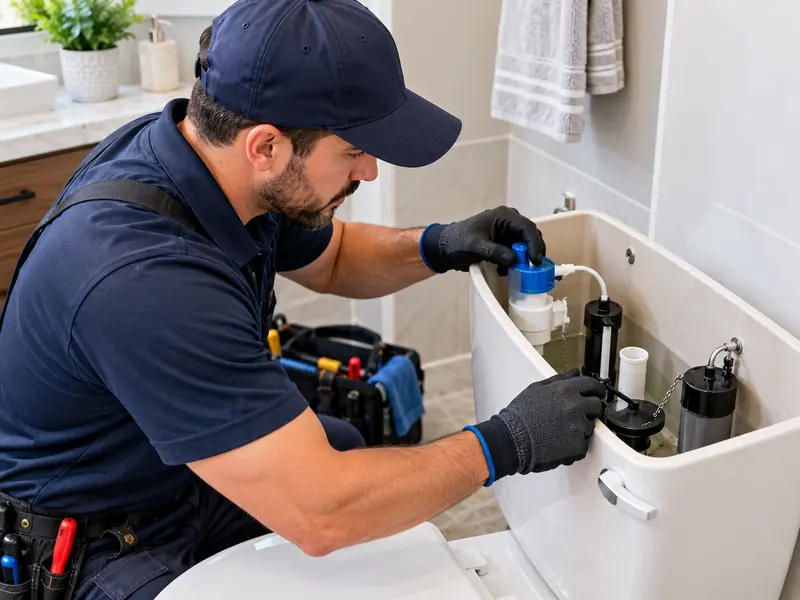
Toilet Tank Not Filling? 7 Causes and How to Fix Them
Work through the shut-off valve, supply line, fill valve and float in order to find why your tank won’t refill.
Read Guide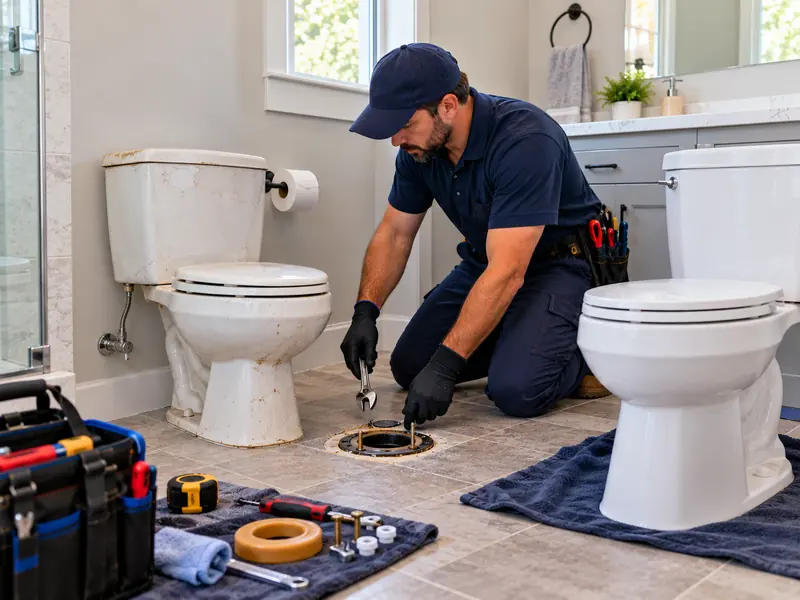
Should You Repair or Replace Your Toilet?
Seven clear signs it’s time for a new toilet — and when a simple part replacement is the smarter move.
Read Guide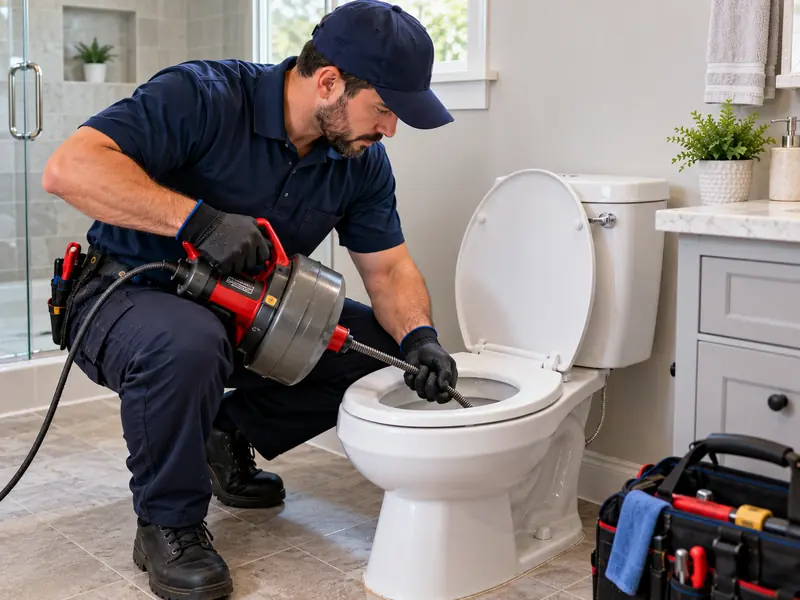
Why Does My Toilet Keep Clogging? 8 Causes and Fixes
Wipes, weak flushes, mineral-blocked jets, hidden objects or a sewer line — here’s how to tell which one you’re dealing with.
Read Guide