
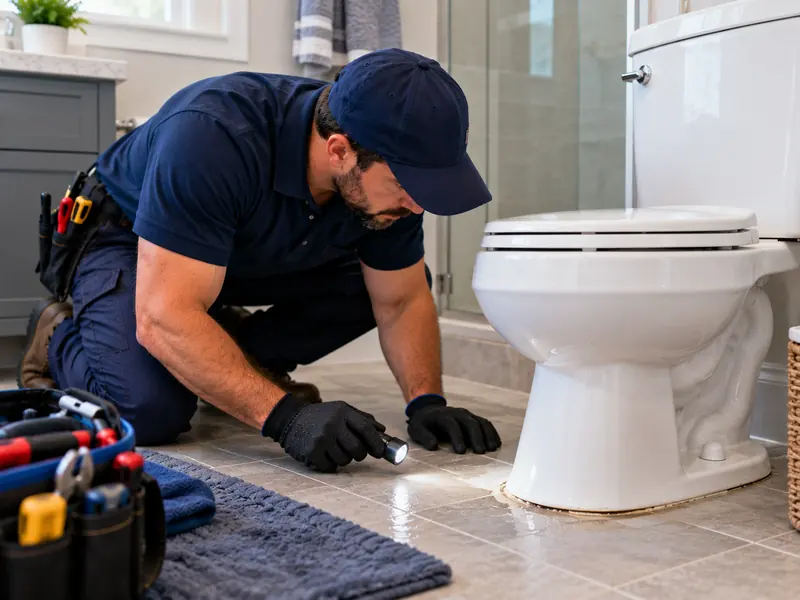
Quick answer: Stop the water first, then put on rubber gloves and closed shoes. Soak up and remove the standing water, clean every hard surface with detergent and then a disinfectant, and bag anything soft that soaked up water containing waste. Dry the room fully within 24–48 hours to prevent mold. If water contained sewage, reached carpet, drywall or a room below, or came back up from the drain, call a professional.
Before You Start: Stop the Water
If the toilet is still overflowing, push the flapper down inside the tank and turn the shut-off valve behind the toilet clockwise. Our step-by-step toilet overflowing guide covers this in detail. Don’t flush again until you know what caused the overflow.
How Dirty Is the Water? Know What You’re Cleaning
Restoration professionals sort water damage into categories under the IICRC S500 standard. Knowing which one you have tells you how careful to be:
| Situation | Contamination level | What it means for cleanup |
|---|---|---|
| Tank overflowed, or clean bowl water spilled | Low | Dry and clean normally |
| Bowl overflowed with urine but no feces | Moderate (Category 2) | Gloves, detergent, then disinfect |
| Bowl overflowed with feces | High — treat as sewage | Gloves, eye protection, discard soaked soft materials |
| Water came back up from the drain (“beyond the trap”) | Sewage (Category 3) | Professional cleanup recommended; check the drain line |
Contaminated water also gets worse with time and warmth, so start cleanup as soon as the water is stopped.
Rather have a pro handle it? Call (562) 245-5818.
Call Now (562) 245-5818What You’ll Need
- Rubber or nitrile gloves and closed shoes (boots if water is deep)
- Safety glasses if you’ll be scrubbing or splashing
- Old towels, a mop and a bucket — or a wet/dry vac
- Heavy-duty trash bags
- Dish soap or household detergent
- An EPA-registered disinfectant, or a bleach solution mixed according to the label
- Fans and a dehumidifier for drying
Never mix bleach with ammonia or other cleaners — it creates toxic gas. Open a window or run the bathroom fan while you work.
Step-by-Step Toilet Overflow Cleanup
- Keep kids and pets out of the bathroom until it’s clean and dry.
- Turn off power to outlets near the water if any are wet, and unplug anything on the floor.
- Remove standing water. Use towels or a wet/dry vac rated for liquids. Work from the edges of the room toward the toilet so you don’t spread water.
- Remove solid waste with paper towels and flush it once the toilet is working again, or bag it.
- Wash every hard surface first. Scrub the floor, baseboards, the outside of the toilet, the tub side and cabinet faces with hot water and detergent. Disinfectants work much better on surfaces that are already clean.
- Disinfect. Apply your disinfectant and leave it wet for the contact time printed on the label, then rinse if the label says to.
- Bag what can’t be cleaned (see the list below) and take it straight outside.
- Clean your tools. Disinfect the mop and bucket, and wash towels and clothing separately in hot water.
- Wash your hands thoroughly when you’re done, even if you wore gloves.
What to Throw Away vs. What You Can Save
| Item | If soaked with water containing waste |
|---|---|
| Tile, vinyl, porcelain, sealed stone | Clean and disinfect |
| Bath mats and towels | Hot-water wash; discard if heavily soiled |
| Rugs and carpet | Usually discard; carpet with sewage generally needs professional removal |
| Cardboard boxes, paper, toilet paper rolls | Discard |
| Wet drywall or baseboards that stay wet | Often need to be cut out and replaced — ask a pro |
| Under-sink cabinets with swollen particleboard | Usually need replacing |
Dry It Out Within 24–48 Hours
The EPA advises responding to water damage within 24–48 hours to prevent mold growth. After cleaning:
- Run the bathroom exhaust fan and open windows
- Use a dehumidifier if you have one
- Pull the toe-kick or open cabinet doors so air reaches underneath
- Check baseboards and the wall next to the toilet — press gently for softness
- Keep drying until surfaces are dry to the touch, then keep air moving another day
The EPA also cautions against blowing fans across water that may be contaminated with sewage before it’s been cleaned up, because fans can spread contamination through the air. Clean first, then dry.
Signs Water Got Under the Floor
A big overflow can push water under the toilet, under vinyl or between tiles. Watch for these over the next few weeks:
- The toilet starts to rock or feels loose
- Floor feels soft or spongy near the toilet
- Grout or caulk at the base darkens or stays damp
- Musty smell in the bathroom
- A stain on the ceiling of the room below
Any of these means water may be trapped under the toilet. The toilet may need to be pulled so the floor and flange can be checked and a new seal installed.
Find the Cause So It Doesn’t Happen Again
| What happened | Likely cause | Read next |
|---|---|---|
| Bowl filled and spilled after a flush | Clog in the toilet | How to unclog a toilet |
| Toilet keeps clogging and overflowing | Wipes, weak flush, or a line problem | Why toilets keep clogging |
| Tank overflowed without flushing | Fill valve not shutting off | Fix a running toilet |
| Tub or shower backed up too | Main drain or sewer line blockage | Clogged toilet repair |
When to Call a Professional
- Water contained sewage or came up from the drain
- Water soaked carpet, drywall, or reached a room or unit below
- The overflow keeps happening
- The floor feels soft or the toilet now rocks
- Anyone in the home has a weakened immune system
For the toilet itself — the clog, the fill valve, or a base leak after the flood — call Whittier Toilet Repair Pros at (562) 245-5818. For large water damage or sewage on carpet and walls, a water damage restoration company is the right call. If you may file an insurance claim, take photos before you clean up.
Frequently Asked Questions
Is toilet overflow water dangerous?
It can be. Water containing urine or feces can carry bacteria and viruses. Wear gloves, avoid touching your face, clean then disinfect hard surfaces, and wash your hands well afterward.
Can I use bleach to clean up after a toilet overflow?
Yes, a bleach solution mixed according to the label works on hard, non-porous surfaces after you’ve washed off visible dirt. Never mix bleach with ammonia or other cleaners, and keep the room ventilated.
Should I throw away the bathroom rug after a toilet overflow?
If the rug soaked up water that contained feces, discarding it is the safest choice. A rug that only got clean tank water can be washed and dried.
How long does it take for mold to grow after a toilet overflow?
The EPA advises drying water-damaged areas within 24–48 hours to prevent mold. Mold won’t always appear after 48 hours, but the risk rises the longer materials stay wet.
Does homeowners insurance cover toilet overflow damage?
It depends on your policy and the cause. Many policies treat sudden, accidental water damage differently from slow leaks or sewer backups, which may need separate coverage. Take photos and check with your insurer.
Toilet Repair Services in Whittier
- Clogged Toilet RepairFor toilets that won’t drain, keep clogging, or back up — including clogs a plunger can’t clear.
- Toilet Leak RepairWater around the base, behind the tank or under the supply line needs its source found before it damages the floor.
Toilet still giving you trouble? Call (562) 245-5818.
Call Now (562) 245-5818More Toilet Repair Guides
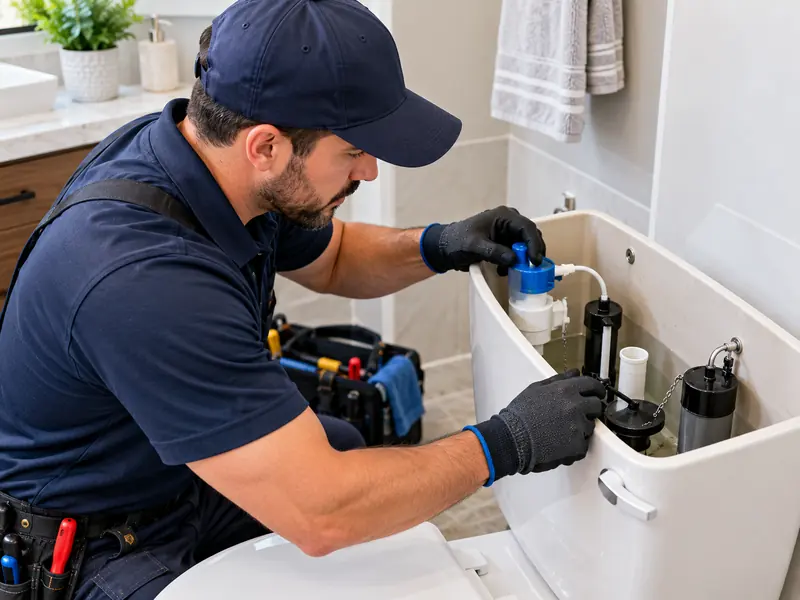
Toilet Tank Wobbles? How to Fix a Loose Toilet Tank
Tell a loose tank from a loose toilet, tighten the tank bolts without cracking porcelain, and replace a worn gasket.
Read Guide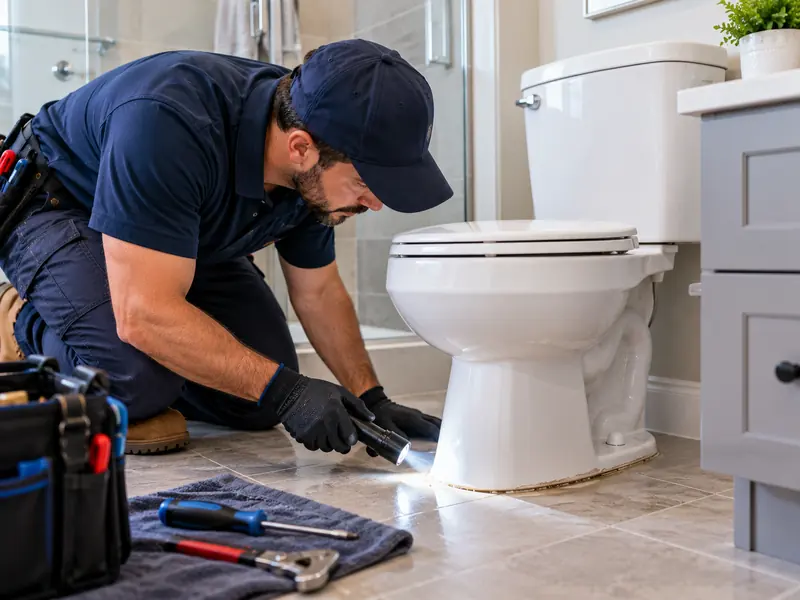
Toilet Leaking at the Base? Causes and How to Fix It
Tell a failed wax ring from condensation or a supply-line drip, know when it’s an emergency, and what each fix takes.
Read Guide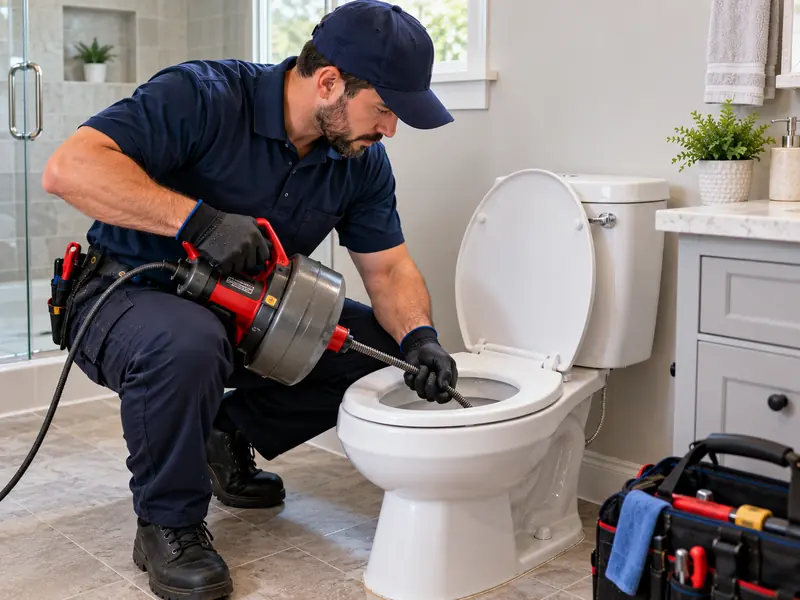
How to Unclog a Toilet Without a Plunger
Dish soap, hot water, a closet auger and other safe fixes — plus the shortcuts that can crack porcelain.
Read Guide